Greener Pastures on Your Side of the Fence
 When I started experimenting
with chicken pastures,
I figured that since chickens weren't ruminants and don't graze the
same way as cows and sheep, I didn't need to read up on pasture
management. As a result, I managed to make every beginner mistake
possible.
When I started experimenting
with chicken pastures,
I figured that since chickens weren't ruminants and don't graze the
same way as cows and sheep, I didn't need to read up on pasture
management. As a result, I managed to make every beginner mistake
possible.
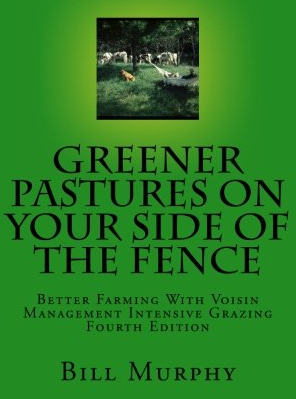
Reading Greener
Pastures on Your Side of the Fence: Better Farming With Voisin
Management Intensive Grazing by Bill Murphy spurred numerous
epiphanies. I realized that even if I was just providing prime
pasture to grow grasshoppers that in turn would feed my chickens, I
needed to use all the tricks possible to get the greatest amount of
high quality forage out of my limited pasture area. The nearly
complete lack of growth in my pastures in July and August was
preventable, and my chickens could have eaten more if the grass hadn't
been allowed to go to seed and turn woody.
In fact, using Bill
Murphy's guidelines of creating a pasture that contains 30 to 50%
legumes, I might have been able to cut most of the expensive protein
supplements out of our chickens' summer feed and simply provided free
choice minerals and corn. On a properly managed, intensively
grazed pasture, protein content of the forage averages 22%, which is
enough for all grazing animals. Sure, our chickens couldn't break
down the structural carbohydrates in the grasses, but corn (for energy)
is much cheaper than soybeans (for protein.)
 If you're grazing ruminants,
Bill Murphy's book is even more of a must-read. He uses careful
rotation to create a self-maintaining pasture that gets its nitrogen
from animal manure and legumes. Some of the benefits of his
system include:
If you're grazing ruminants,
Bill Murphy's book is even more of a must-read. He uses careful
rotation to create a self-maintaining pasture that gets its nitrogen
from animal manure and legumes. Some of the benefits of his
system include:
- Costs as low as 1/6 that of feeding animals in confinement.
- Higher yields of more nutritious forage than in continuous grazing situations.
- Organic matter constantly being added to the soil and more soil
bacteria and fungi than in any other type of agricultural land.
- Lack of erosion since pasture is never allowed to degrade and create bare spots.
- Three or four times as many earthworms as is in tilled
soil. In fact, if you keep legumes populous in your pasture, the
weight of the earthworms under the surface may reach twice the weight
of the livestock grazing on top!
This week's lunchtime
series will cover the highlights of American management intensive
grazing, but I highly recommend that you pick up Bill Murphy's book if
you have any pasture at all. This is one of the few books that
will have a permanent place on my bookshelf as I peruse the data-rich
graphs and tables over and over.
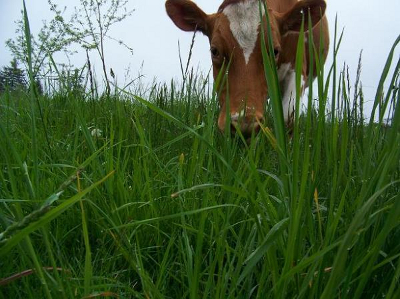
(By the way, the grazing
photos in this series are from Throwback at Trapper
Creek, whose
beautiful and knowledgeable blog turned me onto the notion of high tech
grazing. As usual, click on the image to see the source website.)
| This post is part of our Greener Pastures on Your Side of the Fence
lunchtime series.
Read all of the entries: |
Or explore more posts by date or by subject.
About us: Anna Hess and Mark Hamilton spent over a decade living self-sufficiently in the mountains of Virginia before moving north to start over from scratch in the foothills of Ohio. They've experimented with permaculture, no-till gardening, trailersteading, home-based microbusinesses and much more, writing about their adventures in both blogs and books.
Want to be notified when new comments are posted on this page? Click on the RSS button after you add a comment to subscribe to the comment feed, or simply check the box beside "email replies to me" while writing your comment.
This is another resource for pasture fertility: http://www.greenpasturesfarm.net/articles.php?entryID=2683
Their book and their beef are both excellent.